

Practical breaks for tired eyes and tight necks—built for monitors, laptops, and dual-screen setups common in Dutch offices.
When you focus on a screen, blink rate often drops, which can contribute to dry, tired eyes. Every 20 minutes, look at something at least 6 metres (20 feet) away for 20 seconds. Set a silent timer or use break-reminder apps—pick one that does not interrupt flow with loud alerts.
During the break, blink fully 10 times and roll shoulders once. This pairs visual rest with upper-body movement. If you work near a window, glance outside at a distant roofline or tree. In open-plan spaces without views, focus on a far corner of the room or a hallway.
Adjust screen brightness to match ambient light; overly bright displays force squinting. Enable dark mode for evening work if it reduces glare for you—preference varies by person.
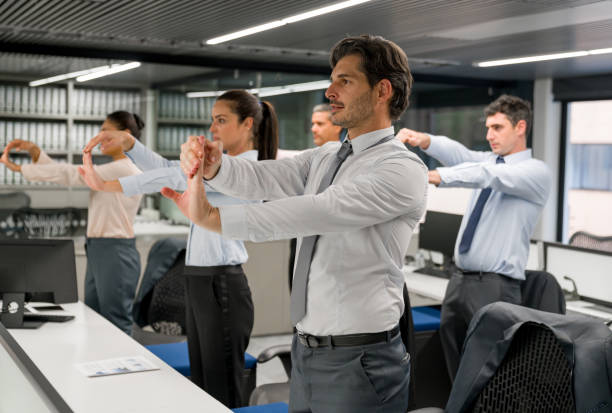
Forward-head posture often develops from laptop height and phone use—not from a single bad day. Gentle mobility retrains range without forcing end-range clicks.
Do these after video calls when you have been static. Avoid pulling head with hands—use muscle control only.
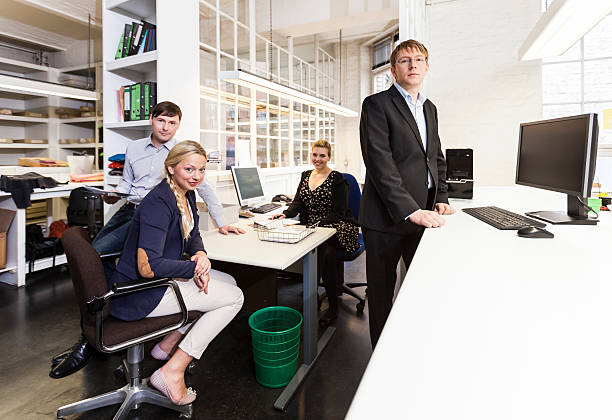
Two screens invite constant head turning. Place primary monitor directly ahead; angle secondary slightly inward. If both are equal priority, swap sides weekly so neck load balances over time.
Laptop-only users: elevate the device so the camera is eye level during calls, and use an external keyboard. Hunching over a low screen is a frequent contributor to upper-neck fatigue in home offices across the Netherlands.
Use a headset instead of cradling a phone between ear and shoulder—even brief calls add up. Stand for voice-only meetings when possible; movement reduces static neck angles.
Posture breaksRub palms together until warm, then cup eyes without pressing on lids. Breathe slowly for 30 seconds in dim light. This brief pause reduces stimulus overload between deep-work blocks.
Near-far shift: Hold a pen at arm’s length, focus on it, then focus on something distant. Alternate 10 times. Trains ciliary muscles that adjust lens shape—useful after spreadsheet sessions.
If vision changes suddenly or you see flashes or persistent blurring, contact an optometrist or huisarts—not this website.
No device replaces periodic distance focusing and blinking. Glasses may reduce glare for some people; breaks address different mechanisms. Try both if helpful—track subjective eye comfort over two weeks.
Occasional painless clicks during slow movement are common. Sharp pain, numbness, or dizziness means stop and seek professional assessment. Do not force range to achieve a click.
Some notice relief within days of consistent breaks; others need longer habit formation. Keep a simple log—hours slept, break frequency, discomfort 0–10—to see your pattern without guessing.